
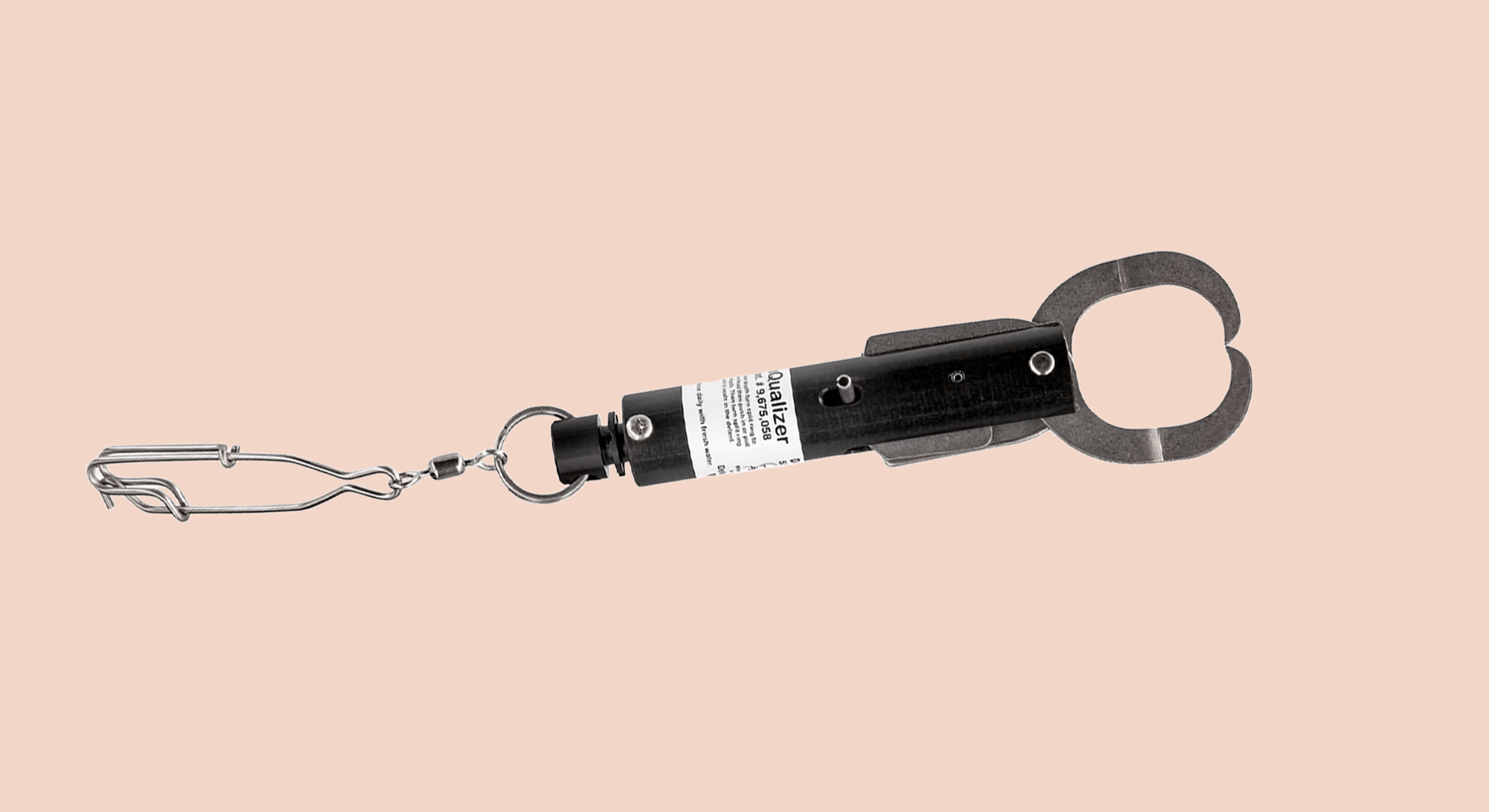
Saving rockfish with decending devices
Saving Rockfish: How Descending Devices Help
Rockfish are an important part of Pacific Northwest fisheries, but they face a unique challenge when caught in deep water. When rockfish are brought rapidly to the surface, the sudden pressure change can cause a condition called barotrauma, which may prevent the fish from returning to depth on its own.
To help address this issue, anglers are encouraged to use descending devices when releasing rockfish that cannot be kept. These tools allow fishermen to return fish safely back to the depth where they were caught, increasing their chances of survival.
Descending devices work by attaching the fish to a weighted line and lowering it back down through the water column. Once the fish reaches the appropriate depth, the device releases it so it can swim away.
Using descending devices helps:
- Improve survival of released rockfish
- Support sustainable recreational fisheries
- Protect long-lived species that take many years to mature
Many Pacific rockfish species are slow-growing and extremely long-lived, with some capable of living more than 100 years. Because of this, proper release practices play an important role in maintaining healthy fish populations.
Today, many fisheries regulations encourage or require anglers to carry descending devices when fishing for groundfish species.
By using the right tools and techniques, anglers can help ensure that rockfish populations remain healthy for future generations of fishermen.
Learn More
For additional information about rockfish biology and conservation, visit the Rockfish Rundown from the U.S. Fish and Wildlife Service.
Read more here:
https://www.fws.gov/story/rockfish-rundown